Wart Removal Facts, Myths and Skin Health Explained
21 December 2025
Warts are one of the most common skin concerns seen in clinical practice, yet they are often misunderstood. Many people notice a small rough growth on the skin and hope it will disappear on its own. Others try over the counter remedies without fully understanding what a wart is or why it keeps returning.
Wart removal is not only about appearance. It is also about comfort, hygiene, and confidence. Warts can become painful, spread to other areas, or affect daily activities depending on where they appear. Understanding wart removal from a medical and skin health perspective helps people make calm, informed decisions rather than relying on guesswork or home treatments that may not work.
Warts develop due to infection with the human papillomavirus, often referred to as HPV. This virus enters the skin through tiny breaks that are often invisible to the eye. Once inside, it triggers excess skin cell growth, leading to the raised or rough texture that most people recognise as a wart. Warts can appear on the hands, feet, face, legs, or around the nails.
Plantar warts on the soles of the feet can feel like standing on a small stone and may cause discomfort when walking. Other warts may not hurt physically but can still cause emotional discomfort or embarrassment. Because HPV behaves differently in each person, warts can be stubborn and unpredictable. This is why professional wart removal is often considered when warts do not resolve naturally.
Understanding warts and why professional wart removal matters
Warts are not all the same. Different types exist, and each behaves in a slightly different way. Common warts usually appear on the hands and fingers and have a firm, grainy texture. Plantar warts grow on weight bearing areas of the feet and can be pressed inward, making them painful.
Flat warts are smoother and often appear in clusters, especially on the face or legs. Periungual warts grow around the nails and can affect nail growth if left untreated. Recognising the type of wart is an important step in deciding the most appropriate removal method.
The immune system plays a major role in how warts behave. In some people, the immune system clears the virus over time without treatment. In others, the virus persists, allowing warts to grow, spread, or return after removal.
Factors such as stress, fatigue, skin trauma, and a weakened immune response can influence this process. This is why wart removal is not always a simple one-time solution. A medical approach considers both the wart itself and the environment of the skin.
Professional wart removal differs from home treatments in several important ways. Clinically led treatment begins with accurate diagnosis. Not every skin growth is a wart, and some conditions can look similar but require different management. A trained practitioner can assess the lesion carefully, ruling out other skin concerns before proceeding. This step alone reduces risk and prevents unnecessary or inappropriate treatment.
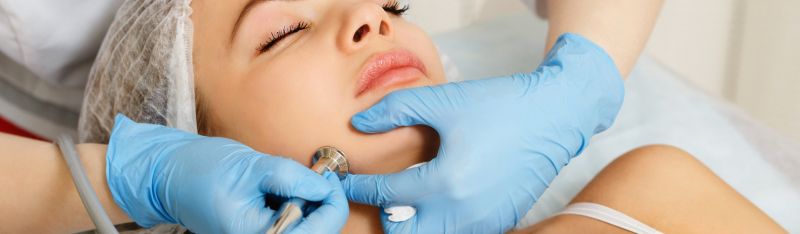
In a clinical setting, wart removal methods are selected based on the type, size, location, and duration of the wart, as well as the person’s skin type and medical history. Some warts respond well to controlled freezing, others to heat based treatments, and some require a combination approach.
Precision matters because surrounding healthy skin should be protected while the wart tissue is targeted. This balance is difficult to achieve with non-prescription products or self-treatment methods.
How wart removal treatments work and what to expect
Wart removal works by destroying the infected skin cells while encouraging healthy skin to regenerate. Different clinical techniques achieve this in different ways, but all aim to remove the wart safely while reducing the chance of recurrence. One commonly used method is cryotherapy, which involves controlled freezing of the wart tissue.
The extreme cold damages the infected cells, causing them to die and eventually fall away. The body then replaces the area with new skin over time. Cryotherapy sessions are usually quick, and while some discomfort may be felt during treatment, it is generally brief.
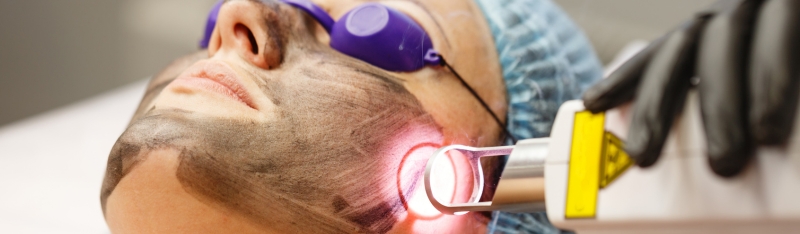
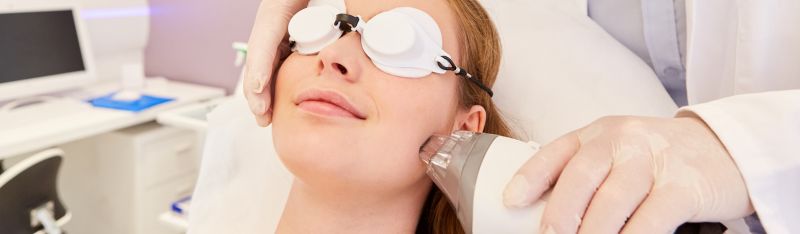
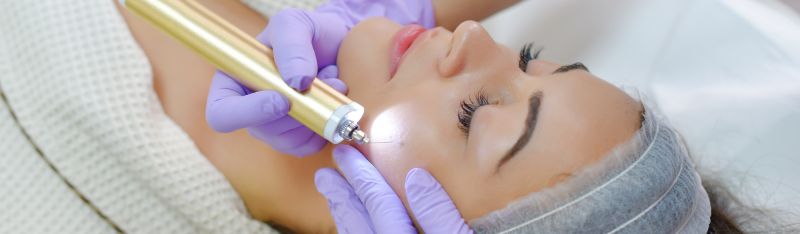
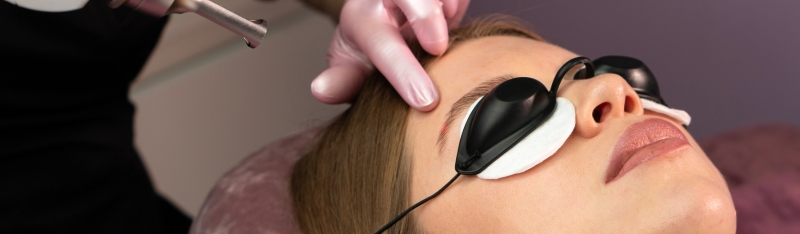
Another approach involves heat or energy-based systems that target the wart tissue more precisely. These methods work by breaking down the structure of the wart and disrupting the virus within the skin. Because they can be focused directly on the lesion, they are often used for warts that are resistant to other treatments or located in sensitive areas. Healing time varies depending on the depth and size of the wart, but proper aftercare supports smooth recovery.
Chemical based treatments may also be used in a clinical environment. These are stronger and more controlled than over the counter products and are applied by trained professionals. They work by gradually peeling away infected skin layers. This approach may require several sessions, but it can be effective for certain types of warts, especially when combined with other methods. Medical supervision ensures that the surrounding skin is protected and that treatment progresses safely.
Understanding what to expect after wart removal is just as important as the procedure itself. After treatment, the area may appear red, sensitive, or slightly swollen. In some cases, a small blister or scab forms as part of the natural healing process. This is normal and usually settles within days or weeks depending on the treatment used. Clear aftercare guidance helps reduce the risk of infection and supports proper skin repair. Avoiding picking or scratching the area is essential, as this can delay healing or spread the virus to nearby skin.
It is also important to understand that wart removal may require more than one session. This does not suggest that the treatment did not work. Warts can extend deeper into the skin than they appear on the surface, and repeated treatment ensures that all infected cells are addressed. Patience and consistency are key factors in achieving long term results.
Safety, skin health, and realistic expectations
Safety is central to any medical skin treatment, and wart removal is no exception. Professional clinics follow strict hygiene and infection control protocols to reduce the risk of spreading HPV during treatment. Equipment is sterilised, and single use instruments are used where appropriate. This level of care is difficult to replicate outside a clinical environment and is one of the main reasons professional wart removals are recommended for persistent or multiple warts.
Skin type and location play a role in how wart removal is planned. Areas such as the face or around the nails require extra care to avoid scarring or changes in skin texture. A medically trained practitioner adjusts treatment techniques and intensity to suit these areas, preserving skin appearance while effectively removing the wart. This tailored approach supports better cosmetic outcomes and reduces unwanted side effects.
Realistic expectations are essential when considering wart removal. While many warts can be successfully removed, no method can guarantee that a wart will never return. Because HPV can remain dormant in the skin, recurrence is possible, especially if the immune system is under strain. However, professional treatment significantly reduces the viral load and improves the chances of long-term clearance compared to untreated or poorly managed warts.
People often ask whether wart removal is painful. Sensation depends on both the type of treatment and individual sensitivity. Most clinical treatments are well tolerated, and any discomfort is usually short lived. Practitioners explain what sensations to expect before starting, which helps reduce anxiety and builds trust. Knowing what will happen allows people to feel more in control of the process.
Scarring is another common concern. When wart removal is performed correctly and followed by proper aftercare, the risk of scarring is low. This is particularly true when treatment is carried out early before a wart becomes large or deeply rooted. Delaying treatment or repeatedly attempting home remedies can increase the risk of skin damage, making professional intervention a safer option in many cases.
Wart removal as part of overall skin care and wellbeing
Wart removal should be viewed as part of a broader approach to skin health rather than an isolated procedure. Healthy skin acts as a barrier against infection, and maintaining this barrier helps reduce the risk of new warts forming. Simple habits such as keeping skin clean, dry, and protected from unnecessary trauma support this goal. Small cuts or abrasions create entry points for HPV, so prompt care of skin injuries is important.
Foot hygiene is particularly relevant for plantar warts. Wearing protective footwear in communal areas such as changing rooms or swimming facilities reduces exposure to the virus. Keeping feet dry and changing socks regularly helps maintain a healthy environment that is less favourable for viral survival. These everyday measures complement professional wart removal and reduce the likelihood of recurrence.
Stress management and overall wellbeing also influence how the body responds to viral infections. Chronic stress can affect immune function, making it harder for the body to clear HPV.
While stress alone does not cause warts, it can contribute to their persistence. Supporting immune health through balanced nutrition, adequate sleep, and stress reduction creates a more resilient system that can respond better to treatment.
For children and young adults, warts are particularly common, and decisions about removal often involve parents or guardians. In these cases, professional assessment is especially important to ensure that treatment is appropriate and gentle. Many warts in children resolve naturally, but those that are painful, spreading, or affecting confidence may benefit from medical removal. Clear communication and reassurance help younger patients feel comfortable throughout the process.
Adults may seek wart removal for different reasons, including professional appearance or discomfort during daily activities. The approach remains the same for people of any age. Accurate diagnosis, appropriate treatment selection, and good aftercare lead to the best outcomes. Clinics that take time to educate patients and answer questions foster a sense of trust and reassurance that goes beyond the procedure itself.
When wart removal should be reviewed by a medical professional
There are situations where seeking professional wart removal becomes particularly important rather than optional. Warts that change in colour, bleed, grow rapidly, or cause persistent pain should always be assessed by a medical professional. These changes do not automatically indicate something serious, but they do require careful examination to confirm that the lesion is a wart and not another skin condition that may look similar.
Accurate diagnosis protects patients from unnecessary or inappropriate treatment and ensures that skin health is prioritised. In clinical practice, some lesions that resemble warts can be caused by other viral, bacterial, or inflammatory conditions, each requiring a different management approach. This is why medical assessment is a critical first step rather than relying on visual assumptions or internet advice.
Professional review is also advised when warts appear in sensitive or high-risk areas such as the face, scalp, genital region, or around the nails. These areas require greater precision to avoid scarring, texture changes, or disruption to normal skin function. Attempting self-treatment in these locations increases the risk of skin damage and infection.
A medically trained practitioner understands how skin thickness, healing capacity, and blood supply differ across the body and adjusts treatment accordingly. This expertise allows wart removal to be carried out safely while preserving the natural appearance and integrity of the skin. For individuals with underlying health conditions, compromised immune systems, or diabetes, medical guidance is especially important because healing responses may differ and require closer monitoring.
Another important consideration is the emotional and psychological impact of long standing or recurrent warts. Some people experience frustration or embarrassment, particularly when warts are visible or interfere with work, social interaction, or physical activity.
Professional consultation provides reassurance by offering clear explanations and structured treatment plans rather than trial and error approaches. This support can be as valuable as the physical removal itself, as it reduces anxiety and restores a sense of control. Understanding that wart persistence is common and not a personal failing helps people approach treatment with patience and confidence.
In cases where warts return after previous treatment, reassessment is essential. Recurrence does not necessarily mean that earlier treatment was ineffective, but it may indicate that deeper viral activity remains within the skin. A medical approach allows treatment methods to be adjusted, combined, or repeated strategically to address this.
Follow up care and monitoring are key elements of responsible wart management and contribute to better long-term outcomes. By viewing wart removal as a process rather than a single event, patients are better supported and more satisfied with their results.
Understanding wart removal and infection control
Wart removal also plays a role in reducing the risk of transmission to others, which is an important but often overlooked aspect of care. Because warts are caused by a viral infection, direct or indirect contact with affected skin can spread the virus, especially in shared environments or households.
Everyday actions such as sharing towels, footwear, or grooming tools can increase this risk when warts are left untreated. Professional wart removal helps lower the viral load present on the skin, reducing the chance of spreading infection to family members or to other areas of the body. This is particularly relevant for children, athletes, and individuals who regularly use communal facilities, where the virus can persist on surfaces.
Addressing warts in a controlled medical setting supports both individual skin health and wider hygiene considerations. It also provides an opportunity for education on preventative measures that help protect others, such as maintaining good skin care habits and recognising early signs of recurrence. By managing warts promptly and responsibly, individuals contribute to a healthier environment while also improving their own comfort and confidence.
Making informed decisions about wart removal
Choosing to proceed with wart removal is a personal decision that should be based on accurate information rather than pressure or frustration. Understanding what a wart is, why it has developed, and how it can be treated empowers people to choose the option that feels right for them. Professional consultation provides clarity and removes much of the uncertainty that surrounds skin concerns.
It is important to avoid comparing your experience with others, as warts behave differently in each person. What works quickly for one individual may take longer for another. This variability does not reflect failure but rather the complexity of the immune response and skin biology. Open communication with a practitioner helps set expectations and allows treatment plans to be adjusted if needed.
Trustworthy clinics prioritise education and safety over quick results. They explain the benefits and limitations of each treatment option and support patients throughout the healing process. This approach aligns with modern healthcare values that place the patient at the centre of care.
Wart removal, when approached thoughtfully, can relieve physical discomfort, reduce the risk of spread, and improve confidence. By choosing medically guided care and understanding the process fully, individuals can move forward with confidence and peace of mind.