RF Microneedling and the Science of Skin Renewal
14 January 2026
RF Microneedling has become one of the most searched and discussed skin treatments in recent years, largely because it addresses multiple skin concerns through one clinically grounded approach. People searching for information about RF Microneedling are rarely looking for sales language. They are asking thoughtful questions such as what RF Microneedling actually does, how it improves skin quality, whether it is safe, and what kind of results feel natural rather than artificial. This growing interest reflects a wider shift in aesthetic care towards treatments that work with the skin’s biology rather than trying to override it.
Skin changes gradually throughout life, influenced by genetics, environmental exposure, lifestyle, and the natural slowing of collagen production. Over time the skin becomes thinner, less elastic, and slower to repair itself. Texture can appear uneven, pores can look larger, fine lines become more noticeable, and old acne scars or pigmentation issues may become more pronounced. RF Microneedling sits at the intersection of technology and biology, using controlled stimulation to encourage the skin to rebuild from within rather than relying on surface level correction alone.
At its core, RF Microneedling combines two established medical concepts. Microneedling introduces controlled micro-channels into the skin, while radiofrequency energy delivers heat into the deeper dermal layers. Together, these processes activate the skin’s wound healing response, prompting new collagen and elastin formation. The aim is not to force change, but to guide the skin back towards a healthier and more resilient structure. Understanding how this works, and why it appeals to people seeking long term skin improvement, requires a closer look at how the skin responds to controlled stimulation.
Understanding How RF Microneedling Works Within the Skin
To understand RF Microneedling properly, it helps to first understand how the skin repairs itself. When the skin experiences a controlled injury, the body responds by sending growth factors and repair cells to the area. Traditional microneedling relies on this principle by creating microscopic channels in the skin that trigger natural healing without causing lasting damage.
RF microneedling builds on this process by adding radiofrequency energy delivered through the microneedles directly into the dermis. This energy produces controlled heat at precise depths, which enhances the collagen stimulation process without overheating or damaging the surface of the skin. Because the radiofrequency energy bypasses the outer layer, the epidermis remains largely intact, allowing for faster recovery and reduced risk of surface irritation compared to more aggressive resurfacing treatments.
The thermal effect of radiofrequency energy causes existing collagen fibres to contract while also stimulating the production of new collagen over time. This dual action contributes to gradual skin tightening and improved structure. Importantly, this process unfolds over weeks and months rather than days. RF Microneedling is therefore not a treatment that produces instant dramatic changes, but one that supports progressive improvement as the skin remodels itself naturally.
Another key element is precision. Modern RF Microneedling devices allow practitioners to control needle depth, energy levels, and treatment patterns based on the individual’s skin type and concerns. This flexibility makes the treatment suitable for addressing a range of issues, from fine lines and enlarged pores to acne scarring and uneven texture. It also allows the treatment to be adapted for different areas of the face and body, each of which has unique skin thickness and healing characteristics.
From a safety perspective, the controlled delivery of energy is critical. By confining heat to specific depths, RF Microneedling reduces the risk of unwanted side effects such as pigmentation changes or prolonged inflammation. This makes it an appealing option for individuals who may not be suitable candidates for more aggressive laser treatments, particularly those with darker skin tones or a history of post inflammatory pigmentation.
Why RF Microneedling Is Used for Texture, Scarring and Ageing Concerns
Many people exploring RF Microneedling are motivated by texture related concerns rather than a desire to dramatically alter their appearance. Skin texture plays a major role in how healthy and youthful skin appears. Even when pigmentation is even and lines are minimal, uneven texture or scarring can affect how light reflects off the skin, making it appear dull or tired.
Acne scarring is one of the most common reasons people research RF Microneedling. Scars form when the skin’s healing response is disrupted, leading to irregular collagen deposition. Over time these irregularities become fixed in the skin’s structure. RF Microneedling helps by breaking down old, disorganised collagen and encouraging the formation of new, more evenly distributed collagen fibres. As the skin remodels, scars gradually appear softer and less defined, blending more naturally with surrounding tissue.
Fine lines and early signs of ageing are another area where RF Microneedling is often considered. As collagen levels decline, the skin loses its ability to snap back, leading to creasing and subtle laxity. RF Microneedling addresses this by strengthening the dermal support network rather than simply smoothing the surface. This can result in skin that feels firmer and looks more refreshed without the stiffness sometimes associated with more invasive procedures.
Enlarged pores and uneven surface texture are also linked to collagen depletion. When the structural support around pores weakens, they appear more visible. By improving dermal density, RF Microneedling can reduce the appearance of pores over time. The effect is not about shrinking pores in a literal sense, but about restoring the skin’s ability to hold its shape.
Another aspect worth noting is overall skin quality. Many people report that their skin feels stronger and more resilient following a course of RF Microneedling. This is consistent with increased collagen content and improved tissue organisation. Rather than focusing on a single concern, the treatment supports global skin health, which is why it is often described as a foundational treatment rather than a targeted fix.
The Treatment Experience and the Skin Healing Process
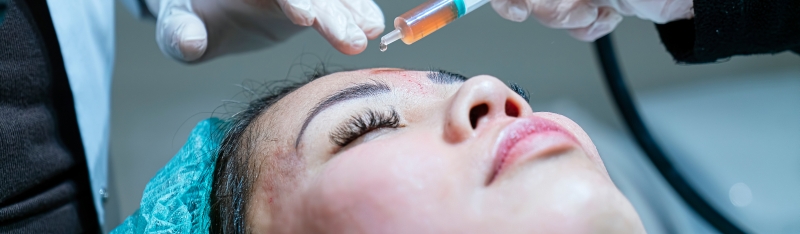
One of the most common voice search questions about RF Microneedling relates to what the treatment actually feels like and how long recovery takes. The experience itself is typically well tolerated, particularly when performed by experienced clinicians who tailor the treatment to the individual. A topical numbing cream is usually applied beforehand to minimise discomfort, and most people describe the sensation as warmth combined with light pressure rather than pain.
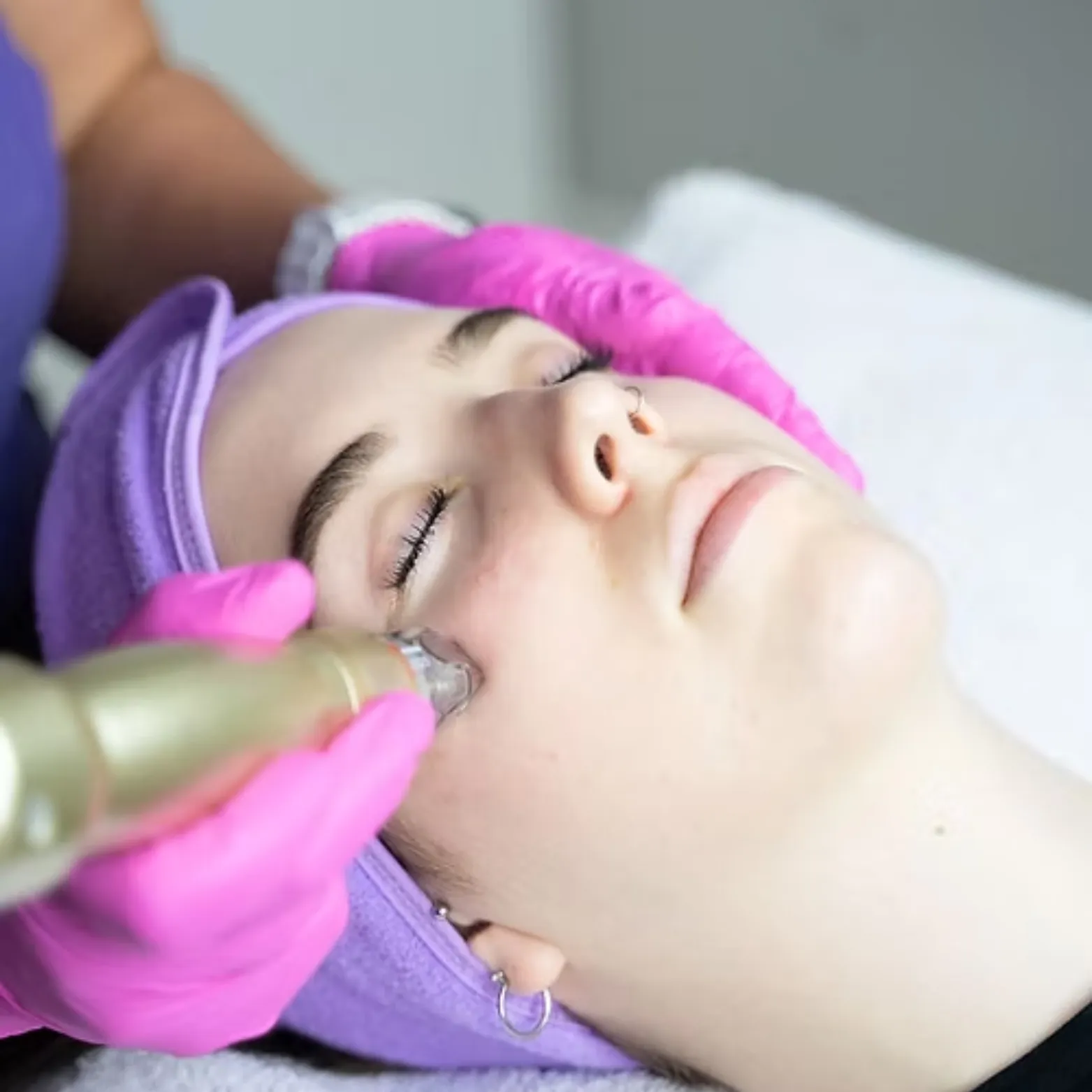
During the procedure, the microneedles create controlled micro-channels while delivering radiofrequency energy at set depths. The skin may appear red immediately afterwards, similar to a moderate sunburn. This redness is part of the inflammatory phase of healing and usually subsides within a few days. Mild swelling or sensitivity can also occur, particularly in more delicate areas, but these effects are generally short lived.
The healing process occurs in stages. In the first few days, the skin focuses on closing the micro-channels and calming inflammation. During this time, hydration and barrier support are important. Over the following weeks, fibroblast activity increases, and new collagen begins to form. This is when deeper improvements start to develop, even though they may not be immediately visible.
Because collagen remodelling is a gradual process, results continue to improve over time. Many people notice changes in texture and tone within a few weeks, with further improvement over several months. This timeline aligns with how the skin naturally renews itself, which is one reason RF Microneedling tends to produce results that look subtle and authentic rather than abrupt.
Another common question relates to how many sessions are needed. While individual needs vary, RF Microneedling is often performed as a course of treatments spaced several weeks apart. This gap gives the skin enough time to fully heal at each stage before the next treatment starts. Maintenance treatments may also be considered to support ongoing collagen production as part of a long term skin health strategy.
Safety, Suitability and Long Term Skin Health
Safety is a major consideration for anyone exploring advanced skin treatments. RF Microneedling has been widely studied and is considered safe when performed correctly. The ability to control energy delivery and needle depth plays a crucial role in reducing risks. Unlike some resurfacing treatments that remove layers of skin, RF Microneedling works beneath the surface, which helps preserve the skin barrier.
Suitability depends on individual skin characteristics and medical history. While RF Microneedling is appropriate for many skin types, a professional assessment is essential to identify any factors that may affect healing, such as active infections, certain skin conditions, or recent use of medications that influence skin regeneration. This assessment ensures that the treatment plan supports both safety and effectiveness.
From a long term perspective, RF Microneedling aligns well with a preventative approach to skin ageing. By stimulating collagen production before significant laxity or deep wrinkles develop, it can help maintain skin structure and delay the progression of visible ageing. This preventative mindset is increasingly common among individuals who value skin health rather than corrective intervention alone.
Lifestyle factors also influence outcomes. Sun protection, balanced nutrition, and appropriate skincare all play a role in supporting collagen health. RF Microneedling does not replace these fundamentals, but works alongside them. When combined with consistent skin care and professional guidance, the treatment can contribute to lasting improvements in skin quality.
RF Microneedling as a Science Led Approach to Natural Results
One of the reasons RF Microneedling continues to gain attention is its emphasis on working with the body rather than against it. In an era where exaggerated aesthetic results are increasingly questioned, treatments that support natural structure and function are becoming more appealing. RF Microneedling fits into this shift by focusing on regeneration rather than replacement.
The treatment does not aim to freeze expression or dramatically alter facial features. Instead, it encourages the skin to behave more like younger skin by restoring some of its lost structural integrity. This approach resonates with people who want to look well rested and healthy rather than visibly treated.
From a scientific standpoint, the principles behind RF Microneedling are well established. Collagen stimulation through controlled injury has been used in dermatology for decades, and radiofrequency energy has a long history of safe medical use. The combination of these technologies represents an evolution rather than a trend, grounded in an understanding of skin physiology.
As more people seek information through voice search and conversational queries, the importance of clear, honest education becomes even greater. RF Microneedling is not a miracle solution, but it is a valuable tool within a broader framework of skin health. When expectations are realistic and treatments are given by experts, the results can be both meaningful and sustainable.
Understanding RF Microneedling therefore means understanding the skin itself. It is about recognising how the skin responds to stimulation, how it heals, and how it changes over time. With the right guidance and a science led approach, RF Microneedling can play a significant role in supporting healthier, more resilient skin for years to come.