How Does Pigmentation Treatment London Actually Improve Skin Tone
07 December 2025
Living with uneven skin tone or dark patches can affect how you feel about your skin. Many people find that pigmentation, age spots or melasma can become more noticeable over time, especially after sun exposure or hormonal changes. Whether pigmentation is mild or more stubborn, understanding the causes and options for safe, effective pigmentation treatment in London helps you make informed decisions about your skin health.
In this comprehensive guide we explore pigmentation treatment from many angles including what pigmentation is, why it happens, the types of professional treatments available, and how to plan a personalised approach that fits with your skin goals. This article is designed to be helpful and easy to understand with information you can use if you are thinking about pigmentation treatment or just want to learn more about how skin clarity can be improved in a safe and medically led setting.
Pigmentation refers to darker patches of skin caused by an overproduction of melanin, the pigment that gives skin its colour. Sun exposure is one of the most common triggers because ultraviolet radiation stimulates melanocytes, the pigment producing cells to work harder creating concentrated areas of pigment.
Hormonal changes such as pregnancy or contraceptive use can also lead to melasma, a type of pigmentation that often appears on the cheeks, forehead or upper lip. Post inflammatory hyperpigmentation can happen after injuries such as acne breakouts or skin trauma leaving behind marks long after the wound has healed. Understanding why your pigmentation appears helps with choosing the right approach because surface level pigmentation responds differently to treatment compared with deeper melanin deposits under the skin.
Learning about the causes of pigmentation and the science behind treatments gives you confidence to explore professional solutions that are tailored to your skin type and condition while considering daily skincare and sun protection habits that affect long term results. Expert clinics in London begin with a thorough assessment of your skin condition to determine the type of pigmentation and the best pathway for treatment based on your unique skin tone and history.
Comprehensive insights into pigmentation and personalised treatment pathways
When you seek pigmentation treatment London residents benefit from approaches that are rooted in dermatological science combined with advanced technology and personalised care. Pigmentation arises when melanin production becomes uneven and clusters in patches compared with the surrounding skin. Sun damage stimulates excess melanin and creates dark spots and sun induced pigmentation that can become more apparent over time without sun protection.
Hormonal factors contribute to melasma which often requires a tailored approach including combination treatments and careful management. Professional assessment is essential because treatments like lasers, light based therapies and chemical peels work by breaking down pigment or encouraging the skin to renew itself gradually.
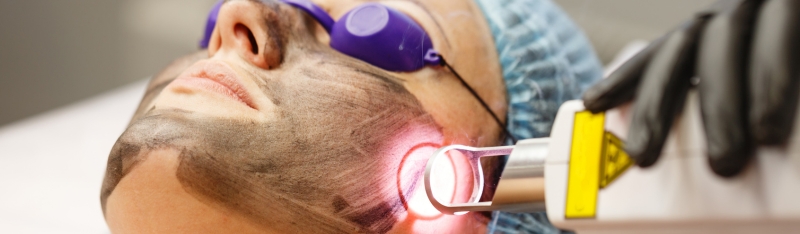
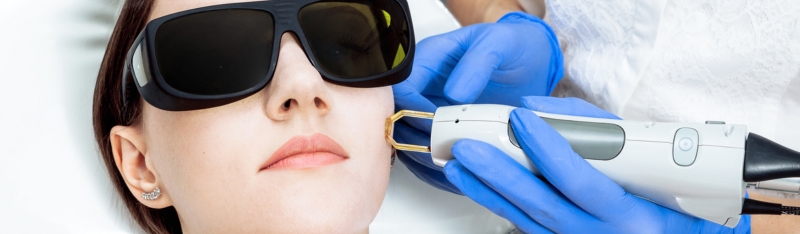
Laser and intense pulsed light technologies deliver controlled energy into pigmented areas and the body’s natural immune response gradually clears the broken down melanin from the skin. These advanced technologies are used with great precision by medically trained practitioners to minimise risk and support even skin tone.
Clinics in London often pair laser treatment with topical regimens designed to suppress excess melanin production and support the skin through the healing process because consistency and adherence to aftercare advice improves outcomes. By choosing a clinic with experienced professionals you receive treatment plans that reflect current clinical knowledge and evolving technology in pigmentation care which reduces the likelihood of recurrence and promotes long lasting results.
Selecting a personalised treatment plan begins with an in depth consultation that examines your skin type, the pattern of pigmentation and lifestyle factors that may contribute to its appearance. Specialist clinics in London use diagnostic tools that illuminate the nature and depth of pigmentation enabling practitioners to recommend the most appropriate interventions. For example melasma often requires a combination of superficial chemical treatments and gentle laser protocols because it tends to be deeper and more persistent than sun spots or post inflammatory hyperpigmentation.
Treatment options vary from gentler skin refreshing procedures through to powerful laser and peel systems that break up melanin clusters so the body can remove them gradually. Many people respond well to fractional laser treatments that target pigmentation while stimulating collagen production for improved texture. Other techniques such as dermamelan or cosmelan peels regulate melanin production and can significantly reduce dark patches with minimal downtime. These peels are crafted to your skin needs and help prevent pigment recurrence by addressing the root cause of melanin overproduction. Complementing in clinic treatments with skincare routines that contain melanin moderating ingredients such as tranexamic acid or vitamin C supports longer lasting clarity and helps protect results from lifestyle related triggers like sun exposure or hormonal shifts.
A key part of pigmentation treatment is understanding that results take time and patience because melanin removal is gradual and depends on how your body responds to treatment. Laser based interventions often require multiple sessions spaced out over weeks to allow skin healing and immune clearance of pigment fragments.
Combined approaches yield deeper improvements particularly for stubborn pigmentation that has been present for many years because each modality targets different layers of the skin or mechanisms of pigment formation. Alongside professional treatments adjusting daily habits such as applying sun protection daily wearing protective clothing and minimising peak UV exposure significantly reduces the risk of new pigmentation forming and helps maintain the effects of treatment. These preventative measures are essential because melanin production increases with UV exposure even when pigmentation appears to have faded.
Expert practitioners also consider your skin tone when recommending treatments because some laser and light based technologies are safer and more effective on certain skin types. This personalised approach ensures that treatment is both safe and effective while reducing potential side effects that can occur when protocols are not matched to skin characteristics.
Training and experience of the clinician performing pigmentation treatment is critical because laser and peel technologies are medical devices that require skillful application to achieve the best results while safeguarding skin health. Practitioner training includes understanding how different wavelengths of light interact with melanin and how to adjust parameters based on pigmentation type and depth.
In medically led clinics each treatment is supported by a framework of safety protocols that protect skin integrity and support predictable outcomes. A well informed clinician also conducts pre treatment skin assessments to identify sensitivities or underlying conditions that may influence how your skin responds to pigmentation therapy. This level of expertise helps set realistic expectations and builds a foundation of trust between you and the practitioner.
As you explore pigmentation treatment London based professionals provide comprehensive consultations that explain the science behind recommended procedures and offer insight into recovery timelines and expected improvements. Having clarity on what each step involves helps you feel comfortable and confident throughout the process.
Understanding the interplay between advanced technologies and your skin’s natural biology is essential in setting realistic expectations for how pigmentation responds to treatment. For example laser therapies work by directing energy at melanin deposits which absorb the light, fragmenting pigment particles so that they can be gradually removed by the immune system.
Technologies such as modular laser systems or specialised IPL devices are chosen based on their ability to target specific pigments with precision without damaging surrounding skin. The choice of technology also accounts for the intensity of pigmentation and whether it is superficial or deeper within the skin layers. When done correctly this approach produces visible improvements in skin tone and depth of dark spots over a series of sessions.
There is rarely a single session solution because pigmentation removal is a progressive process. Continued professional care combined with consistent protective habits like daily sunscreen and tailored skincare enhances results. Patience matters because effective pigmentation treatment respects how your skin regenerates and restores itself naturally over time.
Pigmentation treatment also intersects with emotional wellbeing because the appearance of dark patches can influence self confidence and how you perceive your own complexion. Many people find that uneven skin tone draws their attention more than other features of their face or body which can affect how they feel in social or professional settings. Understanding that pigmentation is a common skin condition and that safe options exist to improve skin balance reassures many who feel uncertain about treatment.
Clinical environments that prioritise education and transparent communication help ease anxiety by providing clear guidance on what to expect during and after treatment. Emotional support and understanding from practitioners make the treatment journey feel collaborative rather than intimidating. With the right guidance you feel equipped to weigh your options carefully and make decisions that align with your values and expected outcomes.
Preparing for pigmentation treatment involves more than just attending a clinic session. Pre treatment care often includes avoiding direct sun exposure and discontinuing certain skin products that may increase sensitivity. Post treatment aftercare is equally important and involves gentle cleansing, moisturisation and diligent sun protection while your skin recovers. This period supports healing and reduces the risk of complications such as irritation or rebound pigmentation.
Professional guidance on aftercare routines is essential because how you care for your skin between sessions significantly influences results and overall satisfaction. Practitioners may recommend supportive serums or creams that enhance the skin’s recovery and further suppress melanin production. Choosing a treatment centre that emphasises thorough aftercare instructions ensures that you have the knowledge and tools needed to protect and maintain your skin as it adjusts post intervention.
The financial aspect of pigmentation treatment is another important consideration for many people. Pigmentation intervention may require multiple sessions and your practitioner will discuss expected costs based on the type and severity of your pigmentation. Transparent discussions around pricing help you plan ahead and understand what each phase of treatment includes. Because specialist clinics in London operate within a regulated and medically supervised environment you can be assured that quality and safety are prioritised, which should outweigh considerations of cost alone.
In investment terms effective pigmentation treatment can improve skin clarity and confidence in ways that daily skincare alone may not achieve. Knowing what to budget for and what results are reasonable helps you approach treatment with clarity rather than uncertainty.
Realistic expectations form the foundation of a successful pigmentation treatment journey because every person’s skin responds differently. While some see noticeable improvement early in their treatment course, others require a longer timeframe supported by a combination of modalities.
Expert clinicians guide this process by adjusting treatment plans in response to how your skin reacts and evolves over time. This ongoing assessment allows for fine tuning that improves outcomes and minimises the risk of unwanted effects.
Consistency and open communication with your practitioner encourage a collaborative relationship that supports your skin goals. Choosing a medically led clinic with experienced professionals ensures that every step from initial assessment to final results adheres to high standards of care.
Pigmentation treatment London offers effective, personalised approaches to addressing uneven skin tone and dark patches by combining advanced technology medical insight and ongoing professional care. Understanding what pigmentation is, why it happens and how different treatments work empowers you to make informed decisions about your skin.
Professional guidance, realistic expectations and a commitment to protective skincare habits enhance results and support long term satisfaction. With a thoughtful approach rooted in expertise you can explore pigmentation treatment confidently knowing that your skin health is in safe hands.