Laser Tattoo Removal: What You Should Know Before Making a Decision
28 December 2025
Understanding laser tattoo removal is more important now than ever before. Many people make the decision to remove a tattoo for deeply personal reasons. Many regret a design they once loved. Others find that career requirements, lifestyle changes or fading ink no longer fit who they are today. Whatever the reason, laser tattoo removal has become the trusted solution for those looking to fade or fully erase ink safely and effectively.
In this blog we explore the science behind laser tattoo removal, what happens during the process, how laser technology works with different ink colours and skin types, and what to expect with healing. This article will help you build confidence in the choices you make about your skin and your wellbeing. Tattoo removal is not about erasing your past. It is about understanding a safe and effective path to achieving clearer skin when you want it.
Laser tattoo removal uses advanced light energy to break tattoo ink into tiny fragments that the body can remove naturally over time. This process relies on targeted wavelengths of light to interact with the ink particles under the skin without harming the surrounding tissue. The technology has evolved significantly in recent years so that the procedure is more precise and comfortable than earlier methods. Modern lasers deliver very short pulses of light that are powerful enough to impact ink yet gentle on skin.
The healing process varies from person to person and depends on factors such as the ink colours, depth and size of the tattoo, and the individual’s skin type. Understanding how this technology works changes the way people view tattoo removal.
Rather than viewing it as a painful or risky process, you can see it as a carefully planned treatment designed around your comfort and safety. This knowledge empowers individuals to make informed decisions about their skin care and aesthetic goals with less fear and more certainty.
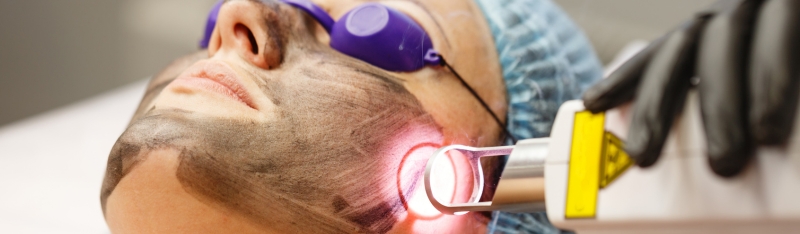
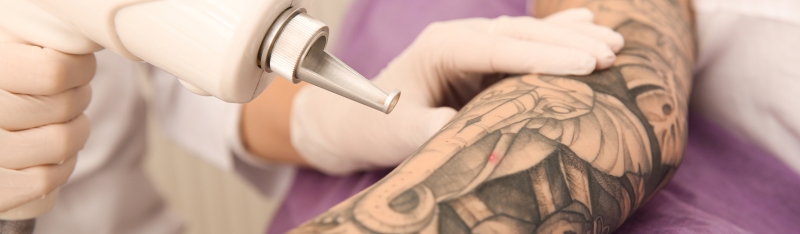
Even though tattoos are designed to be permanent, the body has mechanisms that can carry away broken down ink particles once they have been fragmented by laser energy. During a treatment session, which often lasts between fifteen and thirty minutes, a qualified practitioner will place a specialised laser device over the area of the skin with the tattoo. The laser pulses are absorbed by the ink, causing fragmentation.
Over the days and weeks following treatment, the immune system gradually clears these fragments. Many people compare the sensation during treatment to a light snapping of elastic against the skin. Techniques that increase comfort, such as cooling gels or topical numbing creams, are commonly used.
After a session, skin can be slightly red or swollen but these reactions are usually short lived. Knowing what to expect during and after each session helps to manage anxiety and supports a smoother healing experience. It also highlights why working with experienced professionals’ matters. Expertise reduces risk and guides realistic expectations about results and time frames.
Not all tattoos are the same and they rarely respond to treatment in the same way. Tattoo ink varies in colour, quality and depth. Factors such as whether a tattoo contains black, coloured or layered ink change how many sessions will be needed to significantly fade or remove a design.
Black ink absorbs a wide range of laser wavelengths so it is often the easiest to treat. Coloured inks, especially greens and blues, can be more difficult because they require different laser settings or technologies that can target specific pigment types. The timing between sessions is equally significant. Most practitioners recommend spacing sessions several weeks apart to allow the skin to recover and for the immune system to clear fragmented ink.
Rushing treatments back-to-back can increase irritation and does not improve the body’s ability to remove ink faster. In this way, understanding the science behind the process leads to more realistic expectations and better results in the long term.
Laser tattoo removal technology continues to improve. Today’s laser systems are designed to be more precise, with different laser machines targeting different ink colours and depths. Some systems use very short pulses measured in picoseconds. These ultra rapid pulses create a photoacoustic effect that causes pigment particles to shatter more fully and with less heat.
Other systems use nanosecond pulses that are highly effective on darker inks. Knowing how these technologies differ helps people ask the right questions when they explore removal options. It also helps in planning the overall tattoo removal journey, because some technologies may be more effective on certain tattoos than others.
You might hear names like Pico lasers or Q Switched lasers when researching. What matters most is matching the technology to the specific tattoo characteristics and your skin type. Realistic expectations help you understand why more sessions might be needed for intricate, multicoloured tattoos compared with simpler designs.
Skin type matters just as much as tattoo characteristics. People with lighter skin and darker ink often see clearer results sooner because the contrast between ink and skin allows the laser to focus more directly on the pigment without affecting surrounding tissue. However, contemporary laser technology is now effective for a wide range of skin tones.
Devices that adapt wavelength and pulse duration help reduce the risk of unwanted pigmentation changes and make tattoo removal an option for many people who might not have considered it previously. This progress is especially important for individuals with melanin rich skin because pigmentation changes, either darkening or lightening, can be a concern.
Skilled practitioners know how to adjust settings and use safer parameters to reduce risk while still targeting the ink effectively. When it comes to skin health and clarity, understanding how your skin interacts with laser energy supports the right approach for your unique needs.
Laser tattoo removal also intersects with overall skin health. Treatments are more than just light energy targeted on ink. There are steps before and after sessions that support optimal results. Before any treatment, skin should be free from sunburn or irritation and well hydrated. After a session, carefully following aftercare advice helps protect the skin while it heals.
Typical aftercare encourages keeping the treated area clean, moisturised and shielded from direct sun exposure. Using gentle, non-abrasive skincare products allows skin to repair more comfortably and reduces the risk of complications.
Some people also choose additional skin support treatments that help reduce redness or improve overall skin texture. Although tattoo removal is focused on ink clearance, it also interacts with the body’s natural repair mechanisms. Respecting skin health before and after treatments enhances the overall experience and supports better long-term outcomes.
It is also helpful to appreciate the emotional dimension of tattoo removal. Many people carry emotional attachments to tattoos that no longer align with who they are or what they feel. The decision to remove a tattoo can be as much about personal growth as it is about aesthetics.
People often feel a deep sense of relief when they see ink fade over time because it reflects a conscious choice to let go of something that no longer feels right. Conversations with practitioners often reveal that tattoo removal journeys are highly personal and vary widely from one person to the next. Some people feel empowered by seeing progress.
Others find reassurance in learning that they have control over how their body looks. Explaining the emotional context of tattoo removal helps other people make decisions that feel right for them without pressure or judgement.
The financial aspect of laser tattoo removal is also part of the decision-making process. Many clinics offer structured treatment plans based on the size, colour and complexity of the tattoo. Because the number of sessions influences cost, understanding how many treatments might be needed helps with planning.
It is also worth discussing any flexible payment options that may be available to make treatment more accessible. Asking about pricing transparently, and understanding what each session includes, supports confidence and clarity.
Quality and safety should never be compromised for cost savings. Tattoo removal is an investment in your body. Thinking through financial options and long-term goals helps individuals align treatment with their personal plans.
One of the most common questions people ask relates to pain during tattoo removal. Different people experience sensations differently. Describing the feeling as a quick zap or flick on the skin helps set expectations, but it is also important to know that there are options to make it more comfortable. Cooling devices, topical anaesthetic creams, or simple distraction techniques are all part of professional practice to ease discomfort. Conversations with experienced practitioners provide reassurance because they explain how each step supports comfort and safety.
Approachability and expertise make a significant difference in how people feel before and during treatment. Knowing that there are options available to manage discomfort helps individuals feel more in control. It also opens up meaningful dialogue about personal comfort levels and treatment pacing.
In summary, modern laser tattoo removal is a scientifically advanced, safe and carefully planned process designed to help people fade or eliminate unwanted tattoos with as much comfort as possible. By understanding how the technology works, and how factors like ink colour, skin type and aftercare influence outcomes, people can make educated decisions based on their unique needs.
This knowledge creates confidence and reduces anxiety because it replaces uncertainty with clarity. Tattoo removal is not just a technical process. It intersects with personal identity, emotional wellbeing and long-term skin health.
Knowing what to expect helps individuals plan their journey with greater certainty and peace of mind. Ultimately, clear and well-informed decisions are empowering. Laser tattoo removal has evolved into a trusted option for anyone who feels it is the right choice for their body and life story.
Laser tattoo removal remains one of the most sought-after aesthetic treatments because it offers a blend of science, personalised care and real results.
By engaging with experienced professionals, asking informed questions and respecting the healing process, people discover a path to clearer skin that reflects both their appearance and their values. Tattoo removal no longer feels like an unknown. It feels like a conscious step toward the skin and confidence that feels right for you.